Decking Materials Showdown: Wood vs. Composite Pros, Cons & Costs
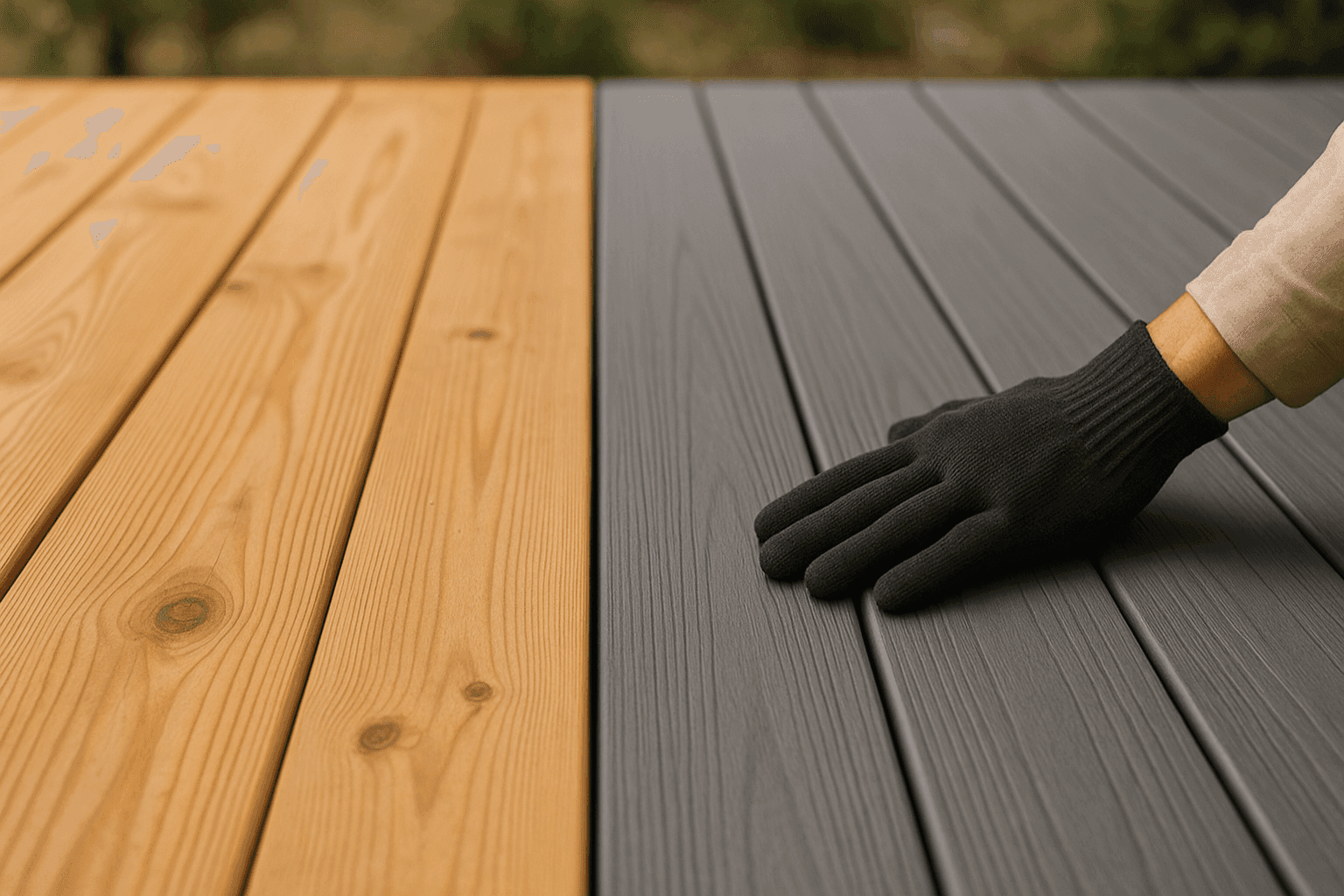
Building a deck is more than a weekend project—it's a decision that shapes your home, your lifestyle, and your wallet for years to come. At Deck Doctor, we hear the same question from homeowners across the area: “Wood or composite—what’s best for my deck?”
If you’re dreaming of Custom Deck Features near you or planning a renovation, knowing the trade-offs between wood and composite is crucial. Let’s break it all down, without sugarcoating, so you can choose the right fit for your backyard retreat.
Overview of Decking Materials
Decking isn’t one-size-fits-all. The material you pick impacts everything: appearance, maintenance, upfront cost, and how you’ll use your outdoor space. Most residential decks today are built using either wood or composite boards, each with its own strengths and quirks.
- Wood decking: Classic. Natural. Familiar underfoot. Typically made from pressure-treated pine, cedar, or tropical hardwoods like ipe.
- Composite decking: Engineered for durability. Made from a blend of recycled wood fibers and plastics. Brands like Trex and TimberTech have made composites a household name.
Both have come a long way in the last decade. Gone are the days when composites looked like plastic picnic tables, or wood decks lasted forever with just a swipe of stain. Industry stats from the North American Deck and Railing Association show composite’s share of new decks is rising, but real wood still has its loyal fans.
So, what sets them apart? Let's dig deeper.
Wood Deck Pros and Cons 🌳
The Pros
- Timeless appeal: Nothing beats the warmth and grain of real wood. It’s like the difference between hardwood floors and laminate—one has a soul.
- Lower upfront cost: Pressure-treated lumber is affordable and widely available. Great for tight budgets or large spaces.
- Easy to customize: Want to add Built-In Seating, a pergola, or planter boxes? Wood is flexible and easy for skilled hands to shape.
- Cool underfoot: Wood tends to stay cooler in direct sun than most composites.
The Cons
- Ongoing maintenance: Wood decking needs regular care. Think sanding, staining, sealing, or painting every 1–3 years, per recommendations from the International Association of Certified Home Inspectors.
- Weathering and splinters: Sun, rain, and temperature swings can warp boards, encourage rot, or cause splinters—a real concern for bare feet and pets.
- Susceptibility to pests: Termites and other insects can find their way in if maintenance lapses.
- Shorter lifespan: Even well-cared-for wood decks typically last 10–15 years before needing major repairs or replacement, especially in harsh climates.
Best For
Homeowners who love the look and feel of real wood and don’t mind rolling up their sleeves for seasonal deck maintenance.
Composite Deck Pros and Cons 🌐
The Pros
- Low maintenance: No sanding, staining, or sealing. A wash with soap and water keeps it looking sharp.
- Resistant to rot and pests: Composite won’t splinter, warp, or attract termites. According to the International Code Council, composites are designed to withstand harsh conditions.
- Longer lifespan: Many composites last 25 years or more with minimal care—industry sources like the NAHB back this up.
- Consistent appearance: No color fade, patchy spots, or knots. What you see is what you get.
- Eco-friendly options: Many brands use recycled plastics and reclaimed wood fibers, reducing landfill waste.
The Cons
- Higher upfront cost: Expect to pay 30–50% more than standard wood, depending on the brand and finish.
- Surface heat: Some composites can get hot in direct sun, uncomfortable for bare feet.
- Not as “natural”: Even the best composites can’t quite match the look and feel of real wood up close.
- Potential for mold/mildew: Especially in shady, damp spots, so regular cleaning is still important.
Best For
Busy families, dog owners, or anyone craving Custom Deck Features near you who want more time relaxing and less time refinishing.
Cost Breakdown (Install & Lifetime) 💰
One of the biggest questions homeowners ask is, “How much will it cost—now, and over time?” Here’s how wood and composite stack up:
Upfront Costs
- Pressure-treated wood: Typically the most affordable. Installation (materials + labor) generally ranges from $18–$25 per square foot.
- Cedar or hardwood: Expect to pay more, often $25–$40 per square foot due to higher-quality lumber.
- Composite decking: Most brands fall in the $30–$45 per square foot range, installed. Premium boards with realistic wood grain or capped surfaces may cost more.
Lifetime Maintenance Costs
- Wood: Plan on annual or biennial staining/sealing ($1–$3 per square foot each time). Repairs, cleaning, and potential board replacement add up. Over 15 years, maintenance can easily double the original price.
- Composite: Occasional deep cleaning is cheap and simple. No sanding, staining, or sealing required, so total maintenance costs are minimal.
Durability & Replacement
- Wood: With steady upkeep, a wood deck can last 10–20 years. Neglected decks may need major repairs far sooner.
- Composite: It’s not indestructible, but many composite decks look and perform like new for 25+ years. Most come with 20+ year manufacturer warranties (check details before you buy).
Environmental Impact
- Wood: Responsibly harvested lumber (look for FSC certification) is renewable, but treated wood contains chemicals. Disposal must follow local guidelines.
- Composite: Uses recycled materials, but manufacturing requires more energy. Boards are not biodegradable, but some brands offer recycling programs for old decking.
Aesthetic Differences
- Wood: Natural variations, color, and grain. Can be stained or painted almost any shade.
- Composite: Uniform color and texture. Some brands closely mimic wood grain, others have a sleek, contemporary vibe. Limited to manufacturer’s color palette.
Choosing the Right Option for Your Deck
No material is perfect for every home. Ask yourself:
- How much time are you willing to spend on deck maintenance?
- Do you prefer the timeworn character of wood, or the easy-care consistency of composite?
- Is upfront cost or long-term value more important?
- What kind of Custom Deck Features near you are you planning—multi-level decks, ADA-compliant ramps, pool surrounds, or outdoor kitchens?
- Are local code requirements or HOA rules a factor? (Pro tip: Always check before you build! The International Residential Code has specific guidelines for both wood and composite decks.)
Practical Tips
- If you love to entertain, consider composite for built-in fire pits and outdoor kitchens—no worries about grease stains or wine spills.
- For shady lots, wood can resist mold a bit better, but composite won’t rot.
- Mixing materials is trendy: wood railings with composite boards, or vice versa, for a unique look and budget balance.
- For families with young children or pets, composite’s no-splinter surface may be safer for little feet and paws.
Final Thoughts
Choosing between wood and composite decking isn’t just a dollars-and-cents decision. It’s about how you want to live outdoors, the time you have for upkeep, and the style you want to call your own. At Deck Doctor, we’ve built everything from rustic gazebos to modern rooftop retreats—each one as unique as the homeowner who dreamed it up.
Questions? Wondering which material will work best for your yard, your climate, or your long-term plans? Our team stays up-to-date with the latest industry code, product innovations, and safety guidelines. We’re always ready to help you navigate the options.
Call Deck Doctor now — or reach us anytime at 855-508-5020 .