How to Diagnose and Repair Common Deck Problems
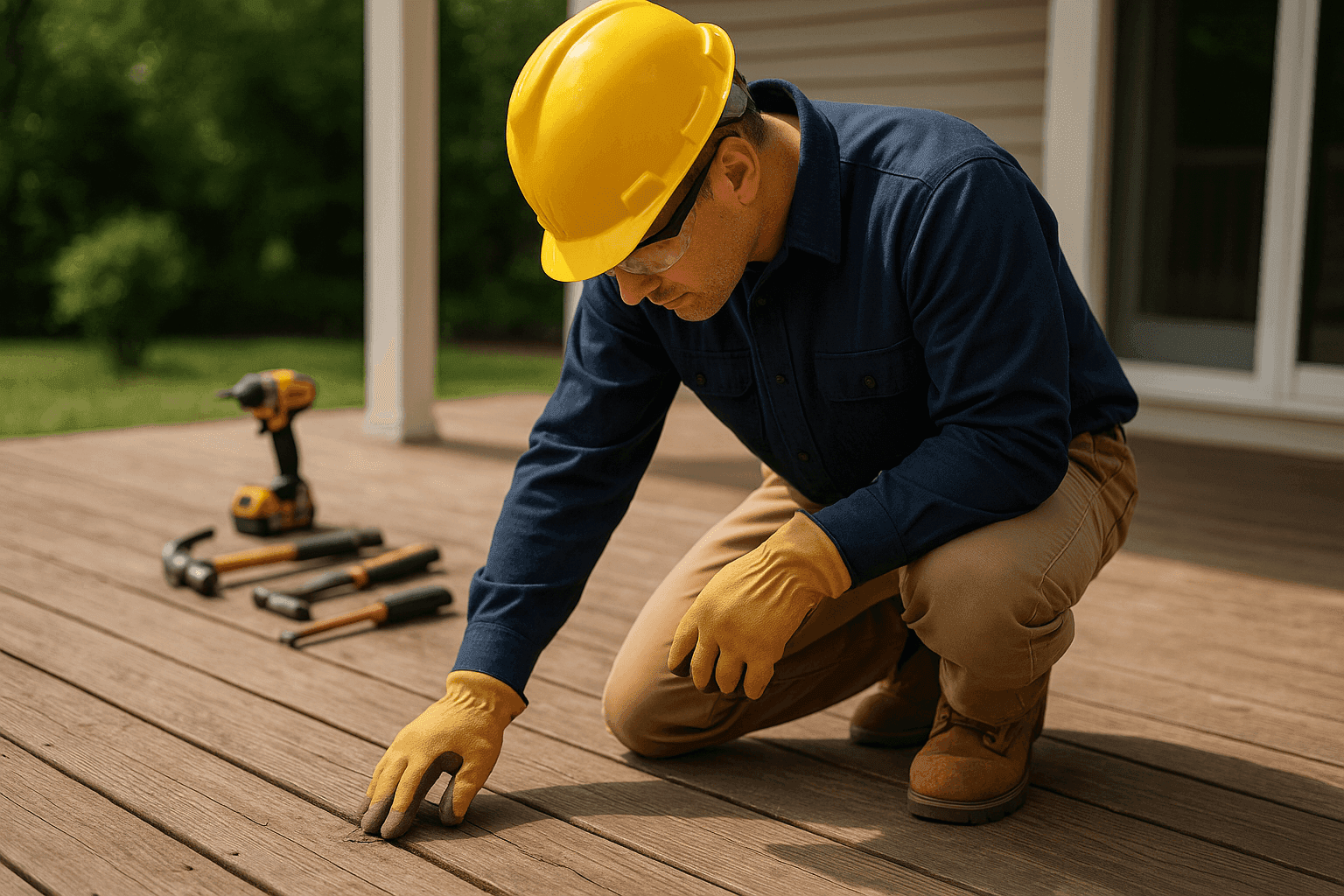
Is your deck starting to feel more like a rickety bridge than a backyard retreat? You’re not alone. Even the sturdiest decking can face wear and tear from weather, age, and daily use.
At Deck Doctor, we know your deck is more than just lumber and screws. It’s where you grill, gather, and relax. Keeping it safe and beautiful isn’t just about curb appeal—it’s about your peace of mind.
Recognizing Signs of Deck Damage 🕵️
Think of your deck like a classic car. You don’t wait for the engine to sputter before checking under the hood. The same goes for wood or composite decking—routine checks catch small issues before they become big headaches.
Look for these red flags:
- Rot: Soft, spongy spots on wood boards—especially near stairs, posts, or where boards meet the house—signal trouble. For composite decking, discoloration and flaking often mean water is getting in.
- Loose Boards: If any plank moves or creaks underfoot, it’s waving a white flag for attention.
- Unstable Railings: Grab and shake your railings gently. If they wobble, it’s a safety hazard.
- Corroded Hardware: Rusty screws, nails, or brackets weaken your deck’s backbone.
- Cracks & Splinters: Splinters aren’t just a pain—they let water in, which can spread rot.
- Mildew & Mold: Black or green patches along the surface or between boards mean moisture is lingering where it shouldn’t.
- Sagging or Swaying: If your deck feels bouncy or uneven, it could be a sign of failing supports.
Pro Tip: Use a flathead screwdriver to gently probe questionable spots. If it sinks in easily, the wood’s integrity is compromised.
Diagnosing Structural Problems
Not all deck problems are skin-deep. Some issues lurk beneath the surface, just out of sight. Here’s how to play detective:
Inspecting the Support System
- Posts & Footings: Check for cracked concrete, shifting, or wood decay at the base.
- Joists & Beams: Peer under the deck. Look for sagging, cracking, or separation at joints.
- Ledger Board: This is where your deck meets the house. Water stains, rust streaks, or gaps spell trouble.
Wood vs. Composite Decking
- Wood Decks: Prone to rot, splintering, and insect damage (especially if untreated). Cedar and pressure-treated pine have different lifespans—know your material.
- Composite Decks: Less likely to splinter or rot, but can suffer from mold growth, warping, or fading when improperly installed.
Railing & Stair Safety
- Wobbly rails and loose stair treads are among the most common code violations. The International Residential Code (IRC) specifies railings must withstand a 200-pound force—don’t skimp on this check.
Hardware and Fasteners
- Corroded brackets, nails, or screws are weak links. Stainless steel or coated hardware lasts longer, especially near pools or in coastal regions.
DIY Repairs vs. Professional Help 🔨
Some fixes are as simple as tightening a screw. Others require a pro’s steady hand. So, where’s the line?
Safe DIY Repairs
- Replacing a single loose board (with matching material and proper fasteners)
- Tightening railings using a drill and deck screws
- Cleaning mildew with a deck-approved cleaner
- Applying fresh sealant or stain (for small, accessible areas)
When to Call Deck Doctor
- Widespread rot or insect damage
- Unstable frame or footings
- Multiple loose or sagging boards
- Railing or stair repairs that affect overall safety
- Issues with structural hardware or connections
- Upgrading to ADA compliant features or custom deck features near you
Safety First: If you’re unsure, always lean on the side of caution. The North American Deck and Railing Association (NADRA) recommends professional inspections every few years.
Preventing Future Issues 🌦️
The best repair is the one you never need. Prevention keeps your deck healthy and safe for years.
Regular Maintenance Checklist
- Sweep and Wash: Remove leaves and debris weekly. Annual washing with a mild cleaner prevents buildup.
- Seal and Stain: Wood decks need resealing every 2–3 years. Composite decks benefit from an annual check for mold or algae.
- Inspect Hardware: Tighten any loose fasteners, replace rusted or missing screws and brackets.
- Trim Surrounding Plants: Overhanging branches and vines can trap moisture and invite pests.
- Check Drainage: Ensure water doesn’t pool around posts or under the deck.
Proactive Upgrades
- Install deck lighting to spot problems early.
- Consider composite decking for lower maintenance.
- Upgrade to stainless steel hardware, especially in high-moisture environments.
Quick Safety Checklist
- Are all railings secure and up to code?
- Do stairs feel sturdy underfoot?
- Any boards that flex, creak, or move?
- Can you spot rot, mold, or rust?
- Are the posts firmly anchored and plumb?
If you answer “no” or “not sure” to any, it’s time for a closer look—or a call to Deck Doctor.
Costs & Time Factors
Deck repairs can range from a quick afternoon to a multi-day project, depending on the problem.
- Minor Fixes: Tightening hardware or replacing a single board can take 1–2 hours.
- Moderate Repairs: Addressing multiple loose boards or small areas of rot may take a day.
- Major Restoration: Structural repairs, full resurfacing, or custom deck features near you can extend over several days to a week.
Materials affect cost, too. Composite decking is pricier upfront but can save on future maintenance. Always factor in the value of your time and safety when weighing DIY vs. professional repairs.
When It’s an Emergency 🚨
Some deck problems can’t wait. Act fast if you notice:
- Significant sagging or collapse risk
- Detached railings along elevated sections
- Severe rot near stairways or exits
- Exposed nails or sharp fasteners in high-traffic zones
- Loose or missing stairs
Safety trumps aesthetics—never use a deck that feels unsafe.
FAQ
How often should I inspect my deck?
At least once a year, or after severe weather. Professional deck inspections every 2–3 years are recommended by the North American Deck and Railing Association.
Can I repair composite decking the same way as wood?
Not always. Composite boards may require special fasteners and cleaning products. Avoid using harsh chemicals or sanding, which can void warranties.
Are all deck repairs DIY-friendly?
No. Structural repairs, extensive rot, or issues with footings and ledger boards call for a professional with experience and knowledge of local building codes.
What’s the lifespan of a typical residential deck?
With regular maintenance, wood decks can last 10–15 years, while composite decks may last 20–30 years or more. Climate and care are big factors.
Local & Seasonal Considerations
- Wet Climates: Moisture accelerates rot and corrosion. Use pressure-treated lumber or composite materials.
- Cold Winters: Freeze-thaw cycles can loosen hardware and crack boards—inspect in spring.
- Hot, Sunny Areas: UV rays cause fading and drying. Regular sealing helps prevent splintering.
- Pool Decks: Chlorine and water demand corrosion-resistant hardware and slip-resistant surfaces.
No matter your weather, a little vigilance goes a long way.
Your deck should be a sanctuary, not a source of stress. If you spot a problem—or just want peace of mind—Deck Doctor is ready to help with everything from deck inspections to custom deck features near you.
Call Deck Doctor now — or reach us anytime at 855-508-5020 .